
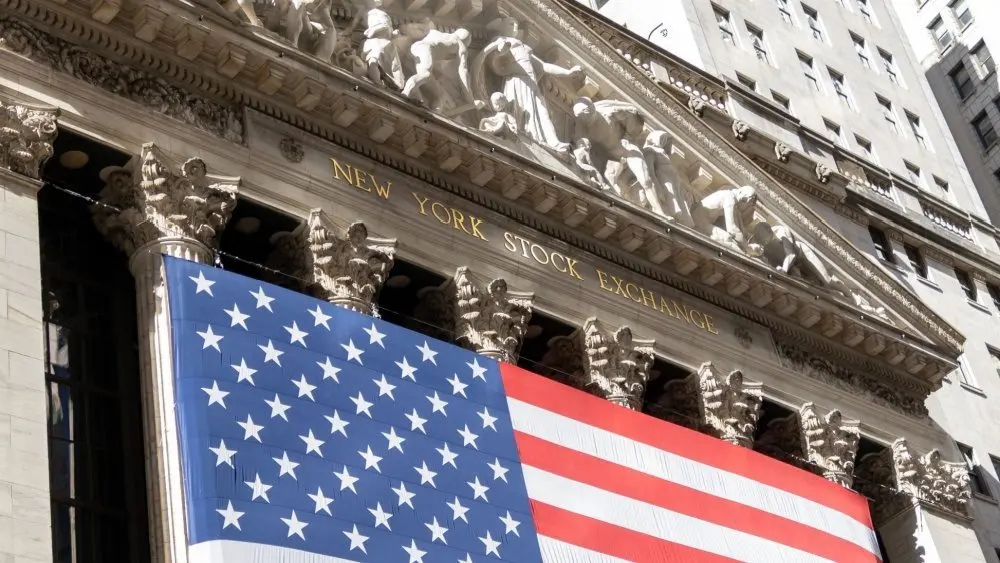
The U.S. stock market was volatile on Thursday, sliding steeply at the start before trimming most of those losses by midday, though they remained slightly in the red. The S&P 500 dipped roughly 0.2% to near 6,560, while the Dow Jones Industrial Average shed about 150 points, or 0.4%. The Nasdaq also moved lower by around 0.4%. Earlier trading saw all three benchmarks down more than 1% before staging a partial comeback.
Despite the turbulence, analysts noted the market has shown resilience. Stocks are reacting to developments in the Middle East without plunging to fresh lows, suggesting investors are absorbing the ongoing conflict. Corporate earnings have also remained relatively steady, even as rising energy costs create pressure.
The volatility followed remarks from President Donald Trump, who signaled that military operations against Iran would intensify in the coming weeks. While he suggested the conflict could end “shortly,” he also pledged additional “extremely hard” strikes over the next two to three weeks and emphasized that fighting would continue until U.S. objectives are “fully achieved.” Notably absent from his address was a clear plan for a ceasefire or reopening the Strait of Hormuz, a critical shipping route responsible for about 20% of global oil supply. Trump said, “The strait will open up naturally.”
Oil markets reacted strongly to the uncertainty. U.S. crude prices surged more than 10%, topping $110 per barrel, while Brent crude climbed above $108. The rally reversed earlier declines and reflected growing concern over prolonged supply disruptions. Gasoline prices have followed suit, with the national average reaching $4.08 per gallon—up sharply from $2.98 before the conflict began. Analysts warned that drivers could quickly feel the impact, with price increases expected to show up at the pump almost immediately.
Rising energy costs are also reigniting inflation concerns. Treasury prices fell as yields climbed, with the 10-year yield reaching about 4.37%. Mortgage rates have moved higher as well, with the average 30-year fixed rate now around 6.45%, compared to 5.99% before the war. Economists anticipate inflation could accelerate in the near term, potentially approaching 4% based on key Federal Reserve metrics. Overseas, price pressures are already building, with eurozone inflation jumping to 2.5% in March.
Adding to market unease, geopolitical tensions remain high. Iran has continued launching missiles and drones across the region, with multiple Gulf nations reporting successful interceptions. The United Arab Emirates, Kuwait, Bahrain, and Qatar all confirmed defensive actions against incoming threats, underscoring the ongoing instability.
With U.S. markets closed Friday for Good Friday, investors may be trimming risk ahead of the long weekend, wary of rapid developments while trading is paused. The lack of a clear diplomatic path, combined with rising energy prices and inflation fears, continues to keep markets on edge.
Editorial credit: Kirkam / Shutterstock.com